Playful Typography: Unlocking the Potential of the Kiss Font
In the world of design, the typeface you choose is never just about legibility; it is the voice of the project. When you are working on a campaign that needs to scream "fun" or a product that targets a younger demographic, a standard sans serif font often falls flat. This is where specific display fonts come into play, and few capture the spirit of joy quite like the Kiss typeface. It is not just a collection of letters; it is a visual representation of energy, designed to inject personality into any surface it touches.
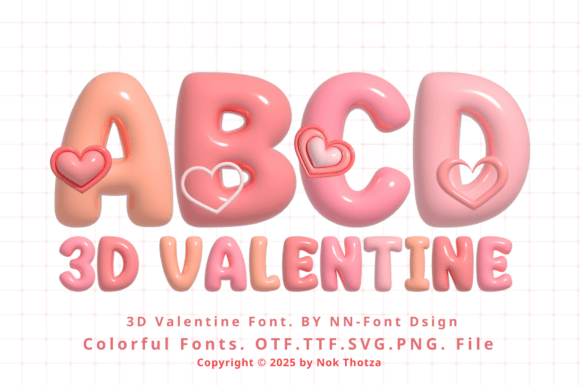
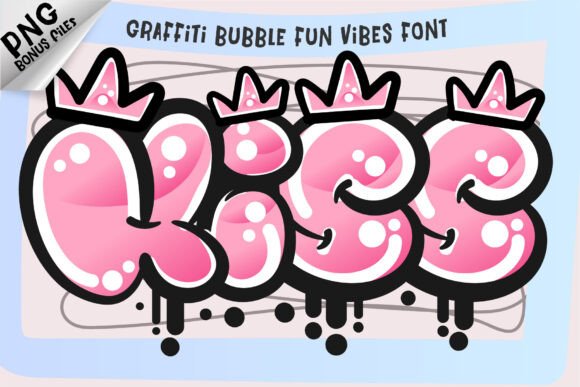
As a designer or creative professional, you likely encounter clients who want their brand to feel "approachable" or "energetic." The Kiss font delivers on this immediately with its graffiti-inspired aesthetic. Unlike aggressive street art styles, this premium font leans into the "bubble" genre. The letters are rounded, puffy, and possess a distinct softness that makes them inherently friendly. The visual weight is heavy and chunky, ensuring that headlines pop off the page or screen, but the curvature of the letterforms prevents that weight from feeling oppressive. It strikes a delicate balance between being bold enough to grab attention and soft enough to be inviting.
The Visual Anatomy of Kiss
Understanding the mechanics of a creative font like Kiss helps you use it effectively. The defining characteristic here is the "chunky" baseline. The letters sit solidly, often looking like inflated balloons or 3D objects. This dimensionality is crucial for projects where depth and texture are required, such as in packaging design or scrapbooking. The spacing, or kerning, in bubble fonts is naturally tight, as the round shapes nestle well together, creating a cohesive block of text that acts more like a graphic element than a sentence.
The personality of Kiss is undeniably youthful. It evokes a sense of nostalgia for Saturday morning cartoons and sticker collections. However, dismissing it as "childish" would be a mistake. In the context of modern brand identity, this style of handwritten font (or hand-drawn aesthetic) is a powerful tool for breaking down barriers between a brand and its audience. It signals that a company does not take itself too seriously and is ready to engage on a human, emotional level. For entrepreneurs in the toy, candy, or entertainment industries, this font is a foundational asset.
Strategic Applications for Designers and Creators
Knowing where to deploy Kiss is just as important as the font itself. Because it is a high-impact display font, it is rarely suited for body copy. Its strength lies in headers, titles, and callouts. Here is how different professionals can leverage it:
- Editorial Design and Publishing: If you are working on a magazine spread for a youth culture article or a book cover for a middle-grade novel, Kiss provides the necessary hierarchy. It draws the eye immediately to the title, allowing you to pair it with a cleaner serif font or sans serif font for the body text to maintain readability.
- Web Design and Digital Media: In the digital space, scroll-stopping power is currency. Using Kiss in hero sections or social media graphics can significantly increase engagement. It translates well to digital stickers, GIF overlays, and app interfaces designed for children or casual gaming.
- Invitations and Stationery: For the hobbyist or stationery business owner, this font is a game-changer. Birthday party invitations, baby shower announcements, and cheerful greeting cards benefit from the warmth that Kiss brings. It eliminates the stiff, corporate feel that many standard fonts carry.
- Educational Materials: Teachers and educational content creators often struggle to make learning materials feel engaging. Kiss transforms worksheets, flashcards, and classroom posters into exciting visual aids. The "bubble" style is particularly effective for younger students, as the distinct shapes of the letters can aid in letter recognition.
Mastering Font Pairings and Hierarchy
A common pitfall with vibrant display fonts is poor pairing. Because Kiss is so stylistically distinct, pairing it with another decorative font—like a complex script font—will result in visual chaos. The golden rule of modern typography applies here: contrast is king.
To create a professional visual hierarchy, you should pair the boldness of Kiss with a neutral counterpart. A geometric sans serif font works exceptionally well. The clean lines of a font like Montserrat or Open Sans provide a resting place for the eye after the excitement of the Kiss headline. Alternatively, a simple, rounded serif can complement the softness of the bubble letters without competing for attention. When testing your font pairing, look at the x-heights and ensure the secondary font doesn't look too spindly next to the heavy weight of Kiss.
Technical Considerations and Licensing
Before finalizing your design assets, you must consider the technical environment. If you are using Kiss for web design, check the file formats provided. A high-quality premium font will usually come with a web-friendly format (WOFF2) to ensure fast load times without sacrificing the crispness of the curves. For print projects, such as packaging design or posters, ensure the vector outlines are clean so they scale up without pixelation.
Another critical aspect is commercial licensing. Many creators start with personal projects, but the moment a design is used to generate revenue—whether on a t-shirt, a logo, or a paid app—you need a commercial license. Always verify the End User License Agreement (EULA) associated with the Kiss font. Does it cover print-on-demand? Can you use it in a logo that will be trademarked? These details protect you legally and ensure the font creator is compensated for their work, sustaining the ecosystem of creative fonts.
Ultimately, the Kiss font is more than just a stylistic choice; it is a strategic tool for connection. It bridges the gap between professional design and playful expression. Whether you are a marketer aiming to soften a brand image, a blogger wanting to infuse personality into headers, or a crafter building a scrapbook legacy, this typeface offers the versatility and charm needed to make your work memorable. By respecting its visual weight and pairing it intelligently, you can turn simple text into a vibrant conversation starter.