Kiwi: A Creative Font for Playful and Artistic Designs
When you're working on a project that needs to feel approachable, imaginative, and full of personality, the typeface you choose becomes your first ambassador. The Kiwi font steps into that role with a distinct character that feels both contemporary and warmly familiar. It’s a premium font that understands its purpose: to inject energy and a handcrafted sensibility into designs that refuse to be sterile or corporate. If you’re a designer, entrepreneur, or content creator looking for a creative font that bridges the gap between whimsical charm and modern usability, Kiwi deserves a close look.
Understanding Kiwi's Visual Personality
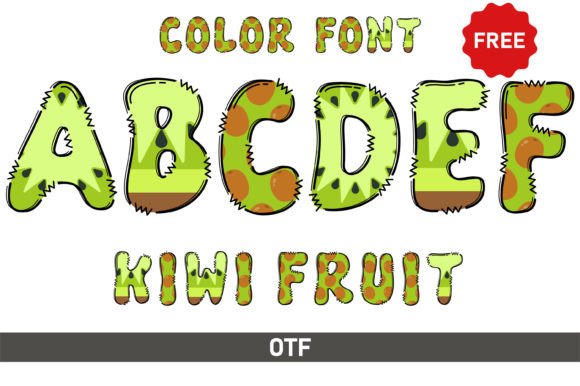
Kiwi isn't a single-note typeface. Its personality is built on a foundation of slightly rounded forms and a gentle, organic rhythm that avoids harsh geometry. This gives it a friendly, approachable vibe without sacrificing clarity. Think of it as the typographic equivalent of a well-designed children's toy: it’s engaging and fun, but built with thoughtful construction. The letterforms often feature subtle variations in weight and baseline that mimic the natural inconsistencies of hand-lettering, which is central to its appeal. This characteristic makes it a fantastic handwritten font or script font alternative that feels authentic rather than overly polished or automated.
In the world of modern typography, Kiwi carves out a space for projects that need to communicate joy, creativity, and a personal touch. It’s not trying to be a serious serif font for long-form text, nor is it a stark sans serif font for minimalist interfaces. Its strength lies in its ability to act as a display font that commands attention in headlines, logos, and short bursts of text where personality is paramount. The overall appeal is one of curated spontaneity—design that feels effortless but is built with intention.
Where Kiwi Truly Shines: Real-World Applications
The true test of any typeface is how it performs in the wild. Kiwi’s versatile personality makes it a valuable design asset across a surprising range of projects. Let’s move beyond theory and look at where this font can solve real problems and elevate your work.
For Branding and Identity Projects
Building a brand identity is about crafting a consistent emotional response. Kiwi excels for brands that position themselves as innovative, youthful, artisanal, or community-focused. Imagine it for a boutique bakery’s logo, a sustainable children’s clothing line, or a creative workshop studio. In logo design, its unique letterforms become instantly recognizable, aiding in brand recall. It helps a small business stand out from competitors using more generic, overused fonts, fostering a perception of originality and care. The key is to ensure the font’s playful nature aligns perfectly with the brand’s core message—it’s a poor fit for a law firm, but a perfect match for a plant-based café.
In Marketing and Digital Spaces
Attention is the currency of the digital world. As a display font, Kiwi is built to capture it. Use it for impactful headlines on landing pages, in email marketing banners, or for bold statements in social media graphics. Its high legibility at larger sizes makes it ideal for Instagram posts, Pinterest pins, and Facebook ads where a quick, engaging message is crucial. For web design, it can be used strategically in hero sections or for call-to-action buttons to inject personality without compromising the user experience. Remember, pairing is everything. Combining Kiwi with a clean, neutral sans serif font for body text creates a professional and readable hierarchy that lets the display font do its job without overwhelming the viewer.
Publishing and Editorial Design
This is where Kiwi’s heritage feels most at home. As the prompt notes, fonts like this are staples in children’s books. Its whimsical yet clear forms create an engaging reading experience for young audiences, making the story feel more immersive. But its application doesn’t stop there. In editorial design, think of a food magazine using Kiwi for recipe titles, a lifestyle blog’s featured headers, or the cover of a young adult novel. It brings a tactile, creative energy to the page that more traditional serif or sans serif typefaces cannot. For publishers and bloggers, it’s a tool to establish a distinct editorial voice.
Packaging and Physical Products
Packaging design is a tactile conversation with your customer. Kiwi’s friendly character works beautifully on product labels for artisanal goods, cosmetics, pet products, or specialty foods. It suggests that the product inside is made with care and a human touch. On a greeting card or invitation, it sets a joyful and personal tone immediately. For crafters and hobbyists designing their own materials—from wedding invitations to party decorations—Kiwi provides a professional-looking, commercial font that is far more distinctive than the standard options found in basic design software.
A Practical Guide to Working with Kiwi
Adopting a new font into your toolkit requires more than just liking its look. Here’s how to practically evaluate and implement Kiwi for your next project.
Evaluating Project Fit and Testing Pairings
Before you commit, ask: does this font’s personality match my project’s goal? Create a mood board. If the words “playful,” “artistic,” “handmade,” or “energetic” are central, Kiwi is likely a strong candidate. Always test it with your actual content. Does it remain legible with your specific words? Next, tackle font pairing. A common and effective strategy is to pair Kiwi with a highly legible sans serif font like Open Sans, Lato, or Montserrat for body copy. This contrast ensures readability while letting Kiwi’s character shine in headlines. Avoid pairing it with another decorative font, as this often leads to visual chaos.
Reviewing Styles and Considering Readability
A quality premium font like Kiwi will often come with a family of styles—regular, bold, italic, perhaps even alternate characters or ligatures. Review these included styles. The bold weight might be perfect for a strong logo, while the regular weight is better for subheadings. Crucially, consider readability. While Kiwi is designed for clarity, it is a display font. Its optimal use is in short-form text: headlines, titles, logos, and pull quotes. For long paragraphs or small text sizes on screens, always revert to a tried-and-true body font. Test your designs on different devices and in print to ensure the intended effect translates across mediums.
Navigating Licensing for Commercial Use
This is a non-negotiable step. If you’re using Kiwi for any project that generates revenue—for a client, for your business, for merchandise—you need a commercial font license. This isn’t just a legal formality; it’s an ethical practice that supports the type designers who create these valuable assets. Purchasing the license from a reputable foundry or marketplace ensures you have the legal right to use the font in your work, protects you from future legal issues, and often gives you access to updates and support. Always read the license agreement to understand its specific terms for web embedding, digital ads, and physical products.
In the end, Kiwi is more than just a collection of letter shapes. It’s a strategic tool for visual communication. By understanding its personality, applying it to the right contexts, and pairing it thoughtfully, you can leverage this creative font to make your designs more memorable, engaging, and authentically human. It’s an investment in your project’s ability to connect on an emotional level, which is often where the most meaningful engagement begins.