Colorful Font: Adding Vibrancy to Your Visual Language
When we talk about typography, we often focus on structure, spacing, and legibility. However, there is a specific category of design assets that prioritizes emotion and impact: the display font. Colorful is a prime example of this shift in modern typography. It is not just a set of letters; it is a statement. This typeface utilizes intriguing colors to enhance visual appeal, offering a complete set of characters—including uppercase, lowercase, and numbers—that have been meticulously designed for flexibility. If you are looking to introduce uniqueness and creativity to your projects, understanding how to leverage a premium font like this is essential for standing out in a crowded market.
The Visual Personality of Colorful
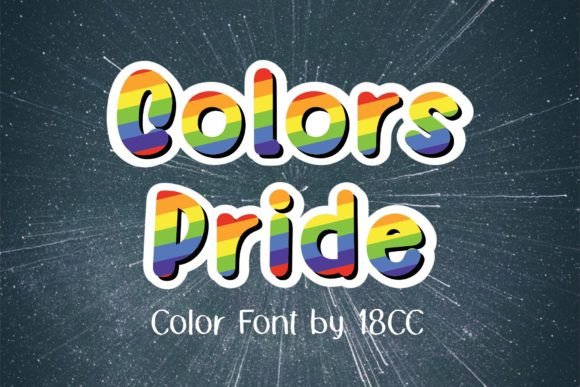
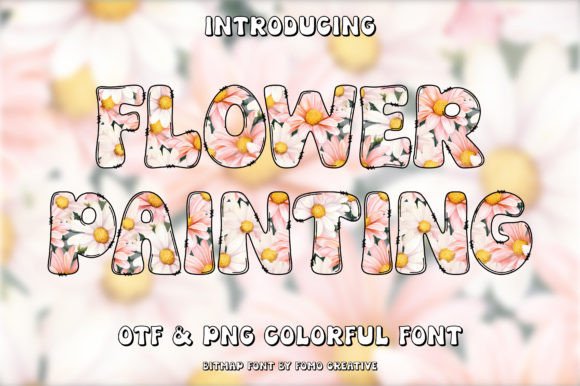
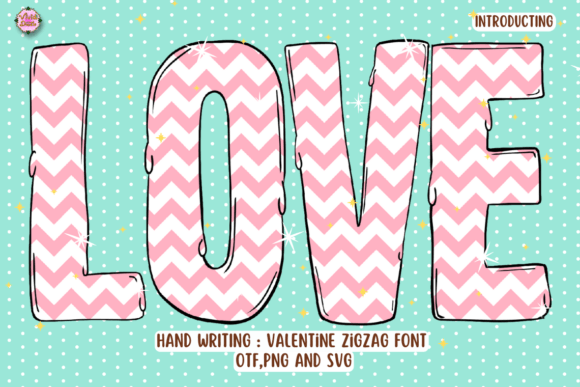
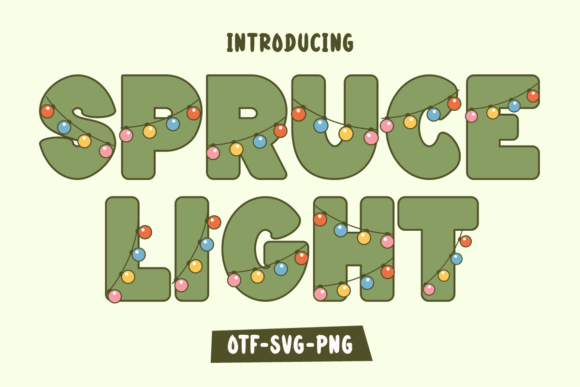
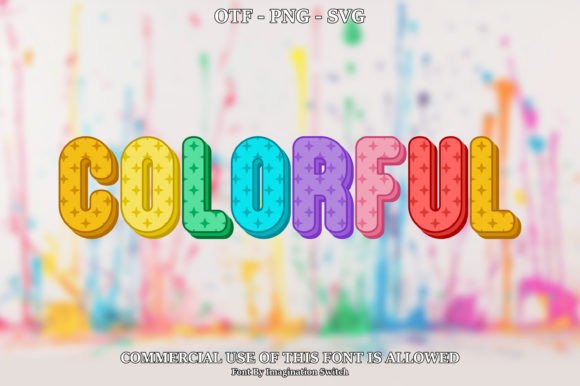
At its core, Colorful is a captivating typographic creation. Unlike a standard serif font or a clean sans serif font that relies on black and white contrast, this typeface treats each glyph as a small piece of art. The carefully chosen colors for each character add a mesmerizing visual touch, making every word and number stand out. It possesses a playful yet sophisticated personality, bridging the gap between artistic expression and commercial viability.
This style falls under the category of color fonts (or chromatic fonts), which are designed to natively support multiple colors and textures within the font file itself. This means you get the visual complexity of an illustration with the ease of a text layer. The overall appeal lies in its ability to instantly grab attention. It is a typeface that commands the viewer's gaze, making it an ideal choice for projects where the goal is to be seen and remembered. The visual hierarchy it creates is immediate; anything set in Colorful naturally becomes the focal point of the composition.
Where This Creative Font Works Best
While a standard body text font is designed for long-form reading, a creative font like Colorful is designed for impact. Its versatility allows it to shine across a wide range of purposes, but it is particularly effective in specific scenarios. Understanding these applications helps you maximize the font’s potential.
Branding and Logo Design
For entrepreneurs and small business owners, a logo is the cornerstone of brand identity. Using Colorful in logo design can communicate energy, creativity, and approachability. It works exceptionally well for brands targeting younger demographics or those in creative industries such as event planning, children’s products, or artisanal crafts. However, it is crucial to ensure that the specific color palette of the font aligns with your overall brand strategy. If the built-in colors do not match your brand guidelines, you may need to evaluate if the font’s style supports your message without the specific hues.
Marketing and Social Media
In the fast-scrolling environment of social media graphics, you have milliseconds to capture attention. Colorful excels here. It is perfect for Instagram stories, Pinterest pins, and YouTube thumbnails where visual stimulation drives engagement. Because it is a display font, it makes headlines pop without the need for complex background images. For promotional materials like flyers or posters, the font adds a layer of professionalism and festivity that standard black text cannot achieve.
Publishing and Editorial Design
While you wouldn't use a color font for body copy in a novel, it has significant value in editorial design. Think of magazine covers, chapter titles, pull quotes, or drop caps. In publishing, adding a touch of color typography can break the monotony of text-heavy layouts and guide the reader's eye to key takeaways. It adds a modern twist to traditional layouts, making the content feel fresh and relevant.
Packaging and Product Design
Physical products rely heavily on shelf appeal. Packaging design for food, cosmetics, or stationery can benefit immensely from the vibrant nature of Colorful. The font’s inherent style can reduce the need for additional graphic elements, allowing the typography itself to carry the design aesthetic. This is particularly useful for limited edition releases or seasonal campaigns where a celebratory mood is required.
Influence on Readability and Brand Perception
One of the most common questions regarding modern typography and decorative fonts is readability. It is important to distinguish between legibility (can the letters be identified?) and readability (can the text be read comfortably in blocks?). Colorful offers excellent legibility for its class; the character shapes are distinct, and the uppercase and lowercase sets are well-defined.
However, as a display typeface, its readability drops in long paragraphs. This is by design. Its primary function is to influence visual hierarchy. By using Colorful for headers and subheaders, you create a clear distinction between different levels of information. This structure helps the audience process information faster.
From a psychological perspective, the use of a color font influences brand perception. It signals that a brand is modern, confident, and willing to think outside the box. It moves a brand away from corporate stiffness toward a more human, expressive identity. This can lead to higher audience engagement, as people are naturally drawn to colorful, dynamic visuals. However, consistency is key. Using this font sporadically or inappropriately can make a brand look disjointed. It should be a deliberate part of your visual strategy.
Practical Guidance for Designers and Creators
Integrating a premium font like Colorful into your workflow requires a strategic approach. It is not just about installing the file; it is about evaluating fit and ensuring technical compatibility.
Evaluating Project Fit
Before selecting Colorful, ask yourself about the tone of the project. Is it serious and corporate? If so, a color font might be too informal. Is it celebratory, creative, or playful? If yes, this font is likely a strong candidate. Consider your audience. While adults aged 20–50 appreciate creativity, they also value professionalism. Ensure the use of this font enhances, rather than detracts from, the credibility of the message.
Testing Font Pairings
No font is an island, especially in web design and print. Font pairing is critical. Because Colorful is visually heavy and detailed, it pairs best with simple, neutral companions. A geometric sans serif font or a clean serif font works well for body text to balance the vibrancy of the headers. Avoid pairing it with other script fonts or handwritten fonts, as this will create visual chaos. The goal is contrast: let Colorful be the star, and let the supporting font be the stage.
Technical Considerations
When working with color fonts, check the file formats. Ensure the font supports the software you use, whether it is Adobe Illustrator, Photoshop, or web-based platforms. Review the included styles; some color fonts come with a monochrome fallback version (SVG vs. standard OTF), which is useful if you need to print in black and white or if a user's browser does not support color fonts.
Licensing and Commercial Use
Finally, respect the creator's work. Colorful is a commercial font, meaning it requires a license for business use. Before using it in a client project, a product for sale, or a wide-reaching marketing campaign, verify the license terms. Most licenses cover desktop use (logos, print) and may require an extended license for web embedding (using @font-face) or app usage. Ensuring you have the correct license protects your business and supports the type designers who create these valuable design assets.
By treating Colorful not just as a file, but as a strategic component of your visual language, you can leverage its unique characteristics to craft unforgettable designs. It is a tool for expression, allowing you to add a unique color touch to every project you undertake.