Flower Painting: The Colorful Display Font for Creative Projects
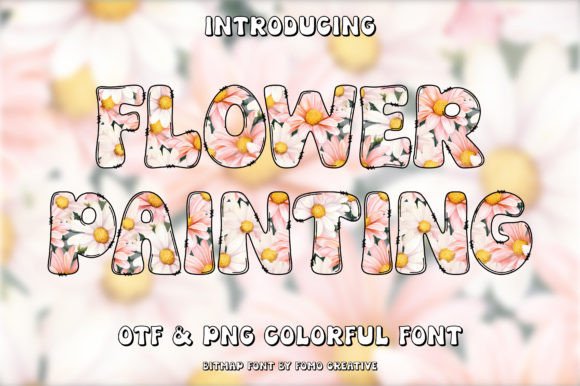
When a standard typeface just won't capture the energy you need, Flower Painting steps in as a vibrant solution. As a premium font, it belongs to the specialized category of color font technology. Unlike traditional serif or sans serif fonts that rely on a single solid color, Flower Painting incorporates complex visual data directly into the font file. This means the characters arrive pre-rendered with rich gradients, textures, and multiple hues. It is designed to function less like a simple text tool and more like a piece of digital art, offering a distinct personality that can instantly elevate a design project.
The Visual Character of a Color Typeface
Understanding the aesthetic of Flower Painting is key to using it effectively. This typeface is not just about adding color; it is about adding depth and dimension. The visual characteristics typically include:
- Layered Textures: The strokes often mimic physical media, such as watercolor or gouache, giving the digital text a tactile, hand-painted feel.
- Dynamic Gradients: Instead of flat fills, the letters may feature smooth transitions between complementary colors, creating a sense of movement.
- Decorative Details: True to its name, the font style often incorporates floral motifs, brush strokes, or artistic embellishments within the letterforms themselves.
For designers, this means Flower Painting acts as a creative font that brings its own atmosphere. It bridges the gap between typography and illustration. While a script font or handwritten font might convey casualness, Flower Painting conveys artistic flair. It is an excellent choice when you want to evoke feelings of elegance, whimsy, or bold creativity without needing to add separate vector illustrations to your layout.
Strategic Applications in Design and Branding
Choosing the right display font is a strategic decision. Flower Painting is not designed for long paragraphs of body text; its complexity would make large blocks of copy unreadable. Instead, it shines when used for impact. Here is how different professionals can utilize this asset:
Marketing and Social Media
In the fast-paced world of social media, stopping the scroll is essential. Flower Painting is perfect for social media graphics where you need a headline to pop immediately. For Instagram posts, Pinterest pins, or Facebook banners, this font creates an immediate focal point. It adds a "scroll-stopping" quality that plain text cannot match, making it ideal for announcements, sale graphics, or event invitations.
Publishing and Editorial Design
In editorial design, hierarchy is everything. You can use Flower Painting for chapter titles, pull quotes, or magazine covers to create a strong contrast against clean body text. Pairing it with a neutral serif font for the article body creates a sophisticated balance. The artistic nature of the font helps set the mood for the content, whether it is a lifestyle blog, a recipe book, or a fashion magazine.
Branding and Logo Design
When it comes to logo design, Flower Painting offers a distinct advantage for specific industries. It works exceptionally well for brands that want to project an artisanal, handmade, or boutique identity. Think of florists, boutique bakeries, wedding planners, or cosmetic brands. Using this font in a logo helps establish a brand identity that feels personal and high-end. However, it is crucial to ensure that the font style aligns with the brand's long-term goals; a highly stylized font may limit how the brand can evolve over time.
Packaging and Print
Packaging design relies heavily on shelf appeal. A color font like Flower Painting can make a product box or label stand out in a crowded aisle. It is particularly effective for limited edition releases or seasonal products where visual novelty is a selling point. Because the color and texture are embedded in the font, it can streamline the design process, reducing the need for complex layering in software like Illustrator or Photoshop.
Practical Considerations for Implementation
While the aesthetic appeal of Flower Painting is high, practical application requires careful planning. As a commercial font, it is an investment in your design assets, so understanding its technical requirements is vital.
Readability and Visual Hierarchy
The primary rule for any display font is to prioritize readability. Because Flower Painting features intricate details and colors, it should be used at larger sizes. If you shrink it down too small, the details may blur together, and the colors may become muddy. Always test the font at the size it will be displayed. If the viewer has to squint to read the message, the design has failed its practical purpose. Use it for headlines and short phrases, and rely on a simpler typeface for the supporting information.
Font Pairing Strategies
Successful font pairing is about contrast and harmony. Since Flower Painting is visually "loud," it needs a quieter partner. A clean sans serif font is often the best companion. The simplicity of the sans serif allows the Flower Painting headers to take center stage without visual competition. Avoid pairing it with other decorative fonts, such as an ornate script font, as this will create a cluttered and confusing layout. The goal is to let the color font be the star of the show.
Licensing and File Formats
Before purchasing, always review the licensing terms. If you are using Flower Painting for a client's logo or on merchandise (like t-shirts or mugs), you likely need a commercial license that covers "products for sale." Check if the license covers web embedding (WOFF/WOFF2 files) if you plan to use it on a website. While many modern operating systems support color fonts, it is wise to ask the foundry if they provide a standard monochrome version (OTF/TTF) as a fallback for software that does not support color layers.
Conclusion
Flower Painting represents the evolution of modern typography, merging the technical precision of digital type with the organic beauty of art. It is a powerful tool for graphic design projects that demand attention and personality. By using this font strategically—for headers, logos, and key visuals—you can enhance your brand identity and create more engaging content. Whether you are designing a wedding invitation or a social media campaign, this color font provides the artistic freedom to make your text truly memorable.