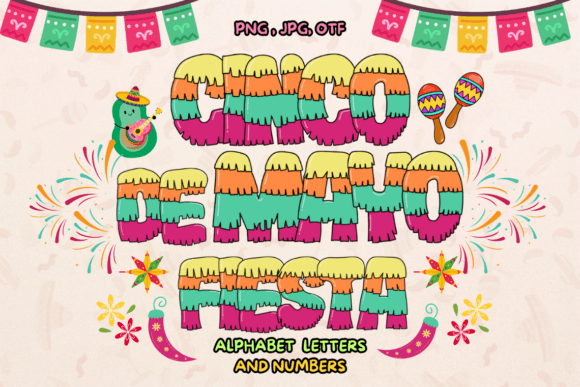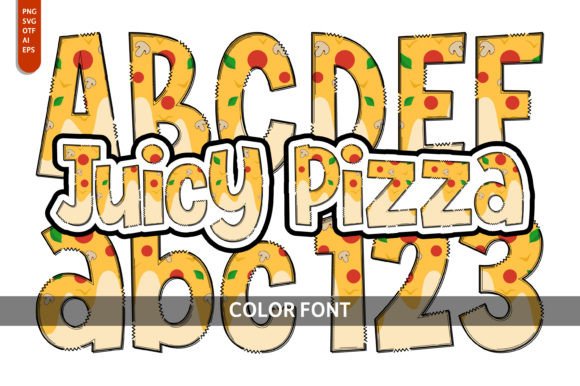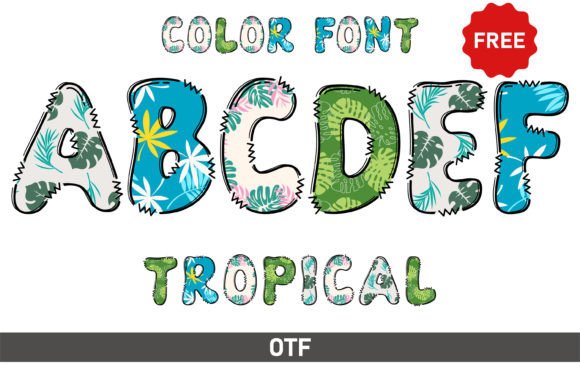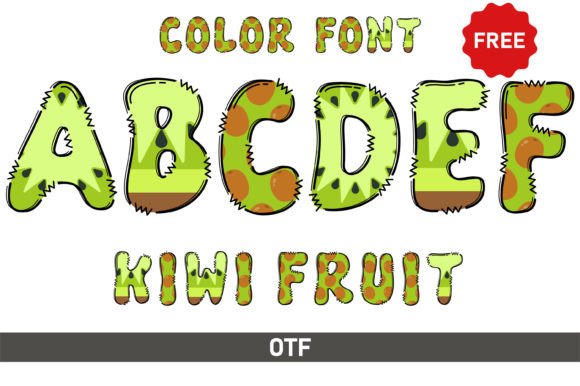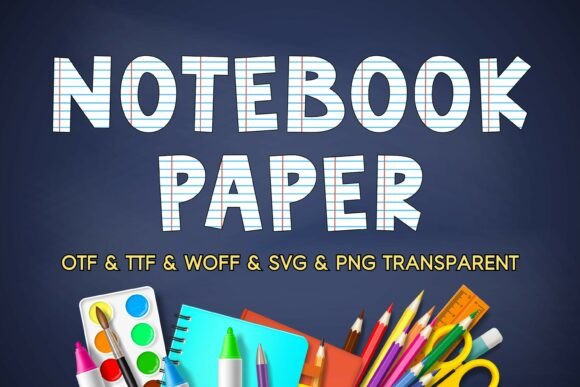
Bring Notebook Paper to Life with This Playful Color Font
Sometimes, the most effective design choice isn't a complex illustration or a photographic background, but a typeface that instantly evokes a specific feeling. For projects aiming for a sense of nostalgia, hands-on creativity, or educational charm, finding the right font can be a challenge. Most standard typefaces lack that tangible, tactile quality. That's where a specialized premium font like Notebookpaper comes in, offering a direct solution for designers and creators who need to inject immediate personality and a cheerful, handcrafted vibe into their work.
More Than Just Letters: The Visual Character of Notebookpaper
At its core, Notebookpaper is a color font, specifically an OpenType-SVG typeface. This means the color and texture are embedded directly within the font file itself. Instead of being a single, flat color, each letter and character is rendered to look like it's been written or printed on a classic sheet of lined notebook paper. The visual effect is strikingly authentic, complete with the subtle texture of the paper and the familiar blue or red lines that define the ruled sheet. This isn't a serif font or a clean sans serif font; it's a display font with a distinct, playful personality. Its style is inherently informal, energetic, and youthful, making it a powerful tool for specific applications where a traditional typeface would feel out of place.
The appeal lies in its ability to communicate an idea before the words are even read. It speaks of school days, brainstorming sessions, personal notes, and creative freedom. This makes it an invaluable design asset for anyone whose project benefits from a sense of approachability and fun. Whether you're a teacher creating classroom materials, a small business owner crafting a unique brand identity, or a content creator looking for standout social media graphics, this font delivers instant visual interest.
Strategic Applications: Where This Font Truly Shines
Understanding a font's personality is one thing; knowing exactly where to deploy it is what separates good design from great. The Notebookpaper font excels in contexts where its unique style enhances the message rather than distracts from it. Think of it as a specialist tool in your typographic toolkit, not a replacement for your go-to body copy fonts.
In editorial design, it can be a fantastic choice for pull quotes, chapter titles, or feature headers in magazines and blogs targeting a creative, youthful, or educational audience. For packaging design, imagine a line of artisanal stationery, craft supplies, or children's snacks—the font would feel perfectly at home, building a cohesive and memorable unboxing experience. When it comes to logo design for tutoring services, kids' camps, or creative workshops, Notebookpaper can form the foundation of a friendly and recognizable mark. Its application in web design is best reserved for hero section headlines, call-to-action buttons, or promotional banners where a burst of personality is needed to grab attention quickly.
The practical uses extend far beyond professional design. For educators, it's a game-changer for creating engaging worksheets, bulletin board displays, and classroom posters that capture students' attention. Entrepreneurs and marketers can leverage it for eye-catching flyers, sale announcements, and email headers that stand out in a crowded inbox. Crafters and hobbyists will find it perfect for scrapbooking, personal project labeling, and creating custom gifts with a handmade feel.
Making It Work: Practical Guidance for Designers and Creators
Adopting a creative font like this requires a thoughtful approach to ensure it integrates seamlessly into your project's design language. The first step is always evaluation. Does the playful, notebook aesthetic align with your project's tone and target audience? It's a brilliant fit for a children's book author's website but would likely feel inappropriate for a corporate law firm's annual report. Context is everything.
Next, consider font pairing. Because Notebookpaper is so visually detailed and stylistic, it pairs best with simple, clean fonts. A straightforward sans serif font for body text or a simple script font for secondary callouts can provide a necessary visual rest, allowing the headline font to be the star without overwhelming the design. Avoid pairing it with other highly decorative fonts, as this will create visual chaos and harm readability.
Speaking of readability, this is a critical consideration. As a display font, its strength is in headlines and short bursts of text. Using it for long paragraphs would be a mistake, as the intricate details can become tiring to read at length. Always prioritize the user's experience. For digital applications, test the font across different screen sizes to ensure the details remain clear. For print, a proof is essential to see how the colors and textures render on your chosen paper stock.
Finally, be mindful of the technical specifications. This product is an OpenType-SVG color font, which means it's compatible with modern design software like Adobe Photoshop, Illustrator, Silhouette, and Inkscape. It's crucial to note that the standard OTF/TTF files are not compatible with Cricut machines. However, the inclusion of SVG and high-resolution transparent PNG files provides a fantastic workaround, allowing you to use the font as an image asset in any software. This versatility makes it a robust addition to any designer's library of modern typography assets, ensuring you can maintain a consistent brand identity across both print and digital platforms.