Cute Flag: Injecting Patriotism into Every Pixel
When you are designing for American holidays or national pride, you often run into a problem: most patriotic fonts look exactly the same. They are either blocky stencil types, distressed vintage scripts, or standard serif fonts with a star slapped on the side. If you want something that feels fresh, energetic, and genuinely celebratory without being overly aggressive, you need a typeface that breaks the mold. That is exactly where Cute Flag enters the conversation. It is a splendid color font that captures the spirit of patriotism but adds a modern, approachable twist that makes it perfect for a wide range of creative projects.
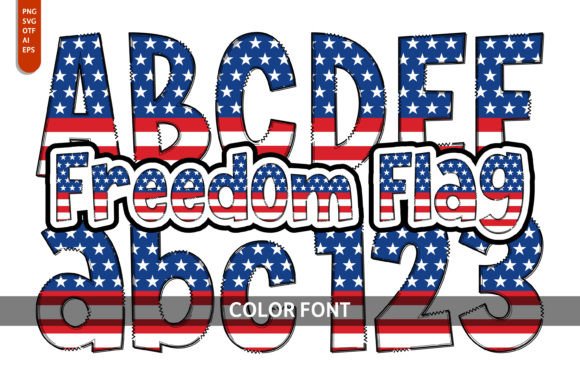
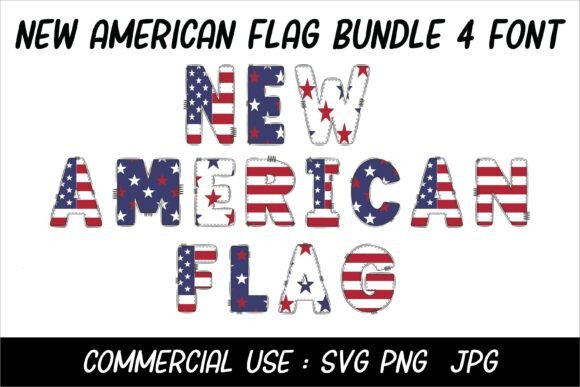
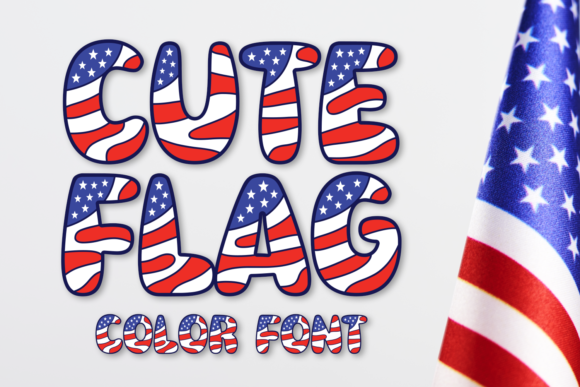
Let’s be clear about what we are looking at here. Cute Flag is not your grandfather’s typography. It has a personality that balances fun and pride. Visually, it takes the familiar elements of the American flag—the reds, whites, and blues—and weaves them directly into the letterforms. However, the style avoids the harsh edges of military stencil fonts. Instead, it offers a softer, more inviting aesthetic. This makes it an incredibly versatile display font. Whether you are a small business owner trying to sell hot dogs on the 4th of July or a graphic designer working on a community event poster, this typeface provides the visual "pop" needed to grab attention instantly.
Practical Applications: Beyond the Greeting Card
The real value of a premium font like this lies in its application. I often see designers purchase a decorative typeface and then struggle to find the right context for it. With Cute Flag, the use cases are surprisingly broad, provided you lean into its strengths. It is designed specifically for high-impact, short-form text. Think headlines, logos, and branding marks rather than long paragraphs of body copy.
If you are in the food and beverage industry, this font is a goldmine. Imagine the packaging for a summer BBQ sauce or a bag of burger buns. A sans serif font or a standard serif font might look clean, but it won't scream "party" from the grocery shelf. Cute Flag, on the other hand, instantly communicates "celebration" and "American tradition." It works beautifully on:
- Packaging Design: Labels for seasonal snacks, drinks, or patriotic merchandise.
- Home Decor: Wall art, throw pillows, or doormats for the summer season.
- Picnic Items: Napkins, paper plates, and tablecloths.
- Gifts: Custom t-shirts, tote bags, or mugs for veterans or holiday gifts.
For digital creators and bloggers, the font translates well to social media graphics. If you are running a sale for Independence Day or posting a recipe for a red, white, and blue dessert, using Cute Flag in your headline immediately sets the mood. It adds that festive flair that encourages engagement and clicks without you needing to add excessive clipart or decorations around it.
Technical Reality: The Color Font Advantage
One of the most important aspects of Cute Flag is its technical construction. This is an Opentype-SVG color font. If you are used to standard vector fonts, this requires a slight shift in your workflow. A standard vector font uses a single color that you change in your software. A color font, however, contains the actual raster data or multi-color vector data within the file itself. This means the red, white, and blue gradients and textures you see in the preview are baked right into the typeface.
This is fantastic for maintaining the integrity of the design. You don't have to manually add gradients or textures to your text to get that patriotic look; the font does the heavy lifting. However, this technology has specific compatibility requirements. You must use software that supports Opentype-SVG rendering. The good news is that industry-standard tools handle this well. You can use it confidently in PhotoShop, Illustrator, Silhouette, and Inkscape.
It is vital to note the limitation regarding cutting machines. If you are a crafter using a Cricut machine, the OTF and TTF files of this product are not compatible. Cricut's software currently does not support the complex data required for color fonts. If you try to upload it, the machine will likely reject it or fail to register the layers correctly. If you are strictly a Cricut user, you might need to look for workarounds or different assets. However, if you are working in design software for print or digital output, this font works seamlessly.
Design Strategy and Pairing
Using a creative font like Cute Flag effectively requires a bit of restraint. Because the font is visually busy with its flag texture, pairing it correctly is crucial for readability and visual hierarchy. You generally want to avoid pairing it with other script fonts, handwritten fonts, or highly decorative typefaces. Doing so will create a visual clash that confuses the viewer.
Instead, look for balance. A clean, geometric sans serif font makes an excellent companion. For example, if you are designing a poster, use Cute Flag for the main headline—"4th of July BBQ"—and then use a font like Montserrat or Helvetica for the details like time, date, and location. This contrast allows the patriotic font to stand out as the star of the show while the supporting text remains legible and professional.
When evaluating if this font fits your project, consider the brand identity you are building. If your brand is serious, corporate, or minimalist, Cute Flag might feel out of place unless you are running a very specific seasonal campaign. However, if your brand voice is playful, nostalgic, community-focused, or festive, this font aligns perfectly. It adds a layer of personality that stock photography cannot replicate.
Licensing and Final Considerations
Before you download and start integrating Cute Flag into your logo design or merchandise, always double-check the licensing terms. Most commercial fonts come with a license that covers specific usage types. For entrepreneurs and small business owners, ensuring you have the correct commercial license is non-negotiable. You want to make sure that your use of the font on products you sell—like t-shirts or mugs—is covered.
Also, take advantage of any design assets included with the purchase. Often, premium font packages include extras like alternates or swashes, though with color fonts, the variations are usually in the texture or rendering style. Review the character map to see everything that is available to you. You might find specific punctuation marks or symbols that enhance your layout.
Ultimately, Cute Flag solves a specific design problem: how to be patriotic without being boring. It bridges the gap between modern typography and holiday theming. Whether you are designing a flyer for a neighborhood block party or creating a digital asset for a national sale, this typeface provides the necessary flair. Just remember to pair it with something simple, ensure your software supports Opentype-SVG, and have fun with it. It is a tool built for celebration, so let your designs reflect that energy.