Checkered Retro: The Bold Typeface for Nostalgic Branding
More Than Just a Pattern: The Personality of Checkered Retro
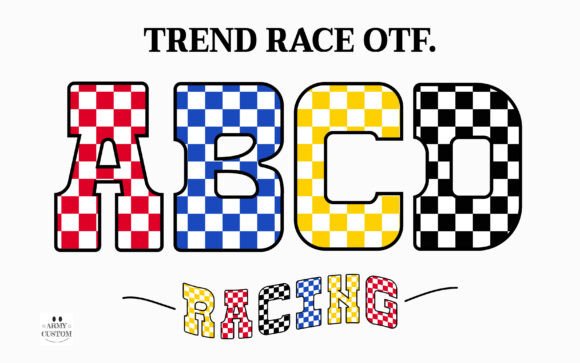
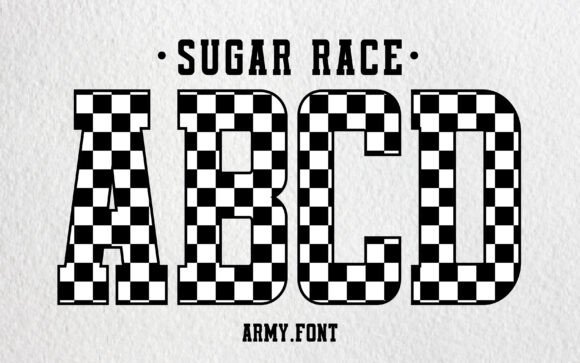
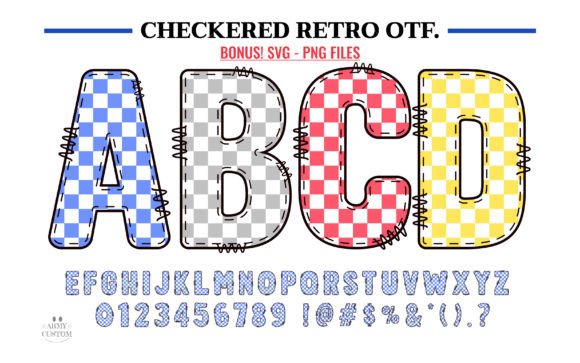
When you first encounter Checkered Retro, it’s impossible to ignore. It’s a typeface that immediately transports you, evoking the energy of a 1950s diner, the cool swagger of a vintage racing stripe, or the playful geometry of a classic arcade game. This isn't just a collection of letters; it's a statement piece. The defining characteristic is its integrated checkerboard pattern, where the strokes of each character are filled with alternating squares of color, most commonly in a stark black and white. This creates a powerful visual texture that feels both dynamic and grounded.
The personality of this font is unapologetically bold, nostalgic, and graphic. It carries a sense of fun and authenticity that can cut through the noise of overly polished, minimalist design. Think of it as a creative font with a built-in design element. It doesn’t just spell out a word; it builds a tiny, repeating visual rhythm with every letter. This makes it an exceptionally strong choice for projects where grabbing attention and conveying a specific, retro-inspired mood is the primary goal. It’s a premium font that serves as a foundational design asset, not just a typographic tool.
Strategic Applications: Where This Creative Font Truly Shines
Understanding the visual weight and style of Checkered Retro is one thing; knowing where to deploy it is where the real strategy comes in. This is a quintessential display font, meaning its strengths are maximized in headlines, logos, and short, impactful text blocks. Using it for body copy in a long-form article would be a mistake, as the pattern can become visually fatiguing and hinder readability. Its power lies in selective, high-impact use.
- Brand Identity & Logo Design: For brands in the food and beverage space (think craft breweries, burger joints, or bakeries), the automotive or motorcycle scene, or any business built on a vintage or handmade ethos, Checkered Retro can form the cornerstone of a memorable logo design. It instantly communicates a brand story rooted in classic style and character.
- Packaging & Editorial Design: On a product label, a book cover, or a magazine headline, this typeface acts as a magnet for the eye. Imagine it on a hot sauce bottle or the masthead of a food blog—it immediately sets a tone. In editorial design, it can break up the monotony of standard serif font and sans serif font pairings, creating a dynamic visual hierarchy.
- Digital & Social Media Graphics: In the fast-scrolling world of social media, stopping power is everything. Using Checkered Retro for a YouTube thumbnail, an Instagram story header, or a promotional graphic can dramatically increase engagement. It’s a typeface that translates well to screen, offering a texture that flat colors and simple fonts often lack.
- Apparel & Merchandise: The graphic nature of the font makes it a natural fit for t-shirts, hats, tote bags, and stickers. It’s a design that people are drawn to not just for the word it spells, but for the aesthetic it embodies.
When considering web design, it’s best used for a hero banner headline or a call-to-action button where its unique character can be appreciated without compromising the user’s ability to scan content easily. The key is to use it as an accent—a powerful one—to support a cleaner, more legible font for general communication.
Practical Guidance for Designers and Creators
Integrating a bold, patterned font like Checkered Retro into your work requires a thoughtful approach. It’s not a drop-in replacement for your standard font pairing choices. First, consider the project's tone. Is it playful, rebellious, or authentically vintage? If the answer is yes, it’s a strong candidate. For corporate, tech, or luxury brands aiming for sleek sophistication, it’s likely the wrong fit.
Next, focus on font pairing. Because Checkered Retro is so visually dense, it demands a calm and confident partner. A clean, geometric sans serif font for body text is almost always a winning combination. This contrast allows the display font to be the star while ensuring all supporting text remains perfectly readable. Avoid pairing it with other decorative, script font, or handwritten font styles, as this will create visual chaos and dilute the impact of both.
Before purchasing, always test the font with your specific project words. The checkerboard effect can look different depending on the letterform; an 'O' will read very differently from a 'B'. Review the full character set to see if it includes the numerals, punctuation, and any special glyphs you might need. For commercial projects, scrutinizing the license is non-negotiable. Ensure the commercial font